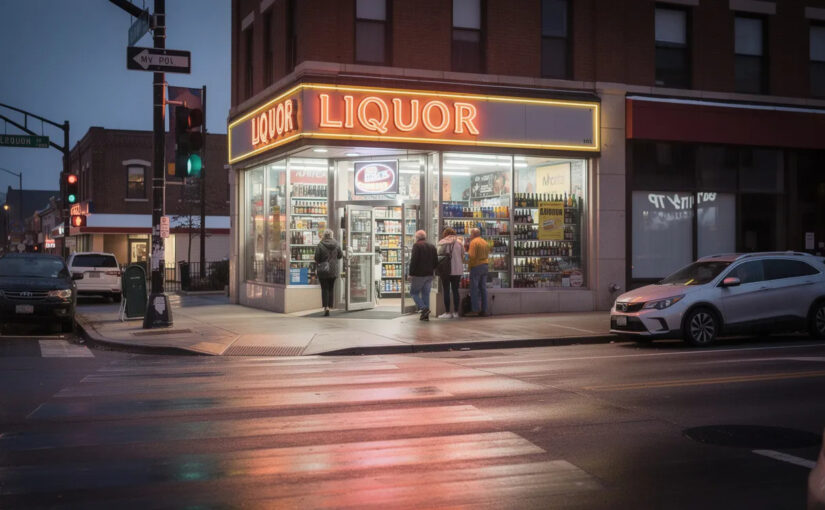
Searching “Michigan liquor store for sale” signals serious intent to invest in one of the state’s most historically recession-resistant retail sectors. Liquor stores remain high-demand assets, especially in metro Detroit and Grand Rapids markets, where foot traffic and population density support consistent sales.
A typical Michigan liquor store purchase in 2026 can involve significant capital, often $200,000 to $2,000,000 or more when you factor in purchase price, inventory, and working capital. Working with a professional business broker is critical because Michigan’s strict MLCC regulatory environment creates closing risks that inexperienced buyers routinely miss.
Once funds are wired and licenses transferred, unwinding a bad deal becomes extremely difficult. Many first-time buyers underestimate risks around business valuation, inventory verification, and MLCC licensing when attempting to buy directly from an owner without professional guidance.
Whether you are buying your first liquor store or expanding your existing portfolio, working with experienced Michigan business brokers can help protect your investment throughout the closing process. Since 1988, Armen Nazarian Business Brokers has assisted buyers and sellers across Oakland County, Macomb County, Wayne County, and surrounding Michigan markets with confidential business transactions, valuation guidance, and transaction support. Call us today at 248-231-7714 or contact us for a free business evaluation and consultation.
👉Also Read: What Should You Prepare Before Your First Meeting with a Business Broker in Michigan?
Why Are Liquor Store Transactions in Michigan More Complex Than Other Businesses?
Michigan liquor stores carry regulatory, financial, and legal layers that most business purchases do not. Four areas drive this complexity.
MLCC Licensing: All retail alcohol sales are governed by the Michigan Liquor Control Commission. Buyers must complete background checks, fingerprinting for anyone holding 10% or more equity interest, and obtain local municipal approval before a license transfer. Purchase agreements should always be contingent on official MLCC approval. Timelines typically run 60–120 days for complete applications — longer if complications arise.
Inventory Valuation: Inventory is priced by category — spirits, wine, beer, tobacco, and lottery products carry different margins and turnover rates. Aged, damaged, or slow-moving stock should never be included at full value. A formal inventory count within 24–48 hours of closing establishes the final price adjustment and protects buyers from paying for stock that does not reflect true value.
Financial Verification: Cash-intensive operations require independent verification. Seller-reported revenue must be cross-referenced against sales tax filings, bank deposits, and supplier invoices. Lottery commissions and ATM revenue should be confirmed through third-party processor statements — not seller summaries alone.
Lease and Compliance: Landlord approval for lease assignment, personal guarantees, and renewal terms all require negotiation before closing. Buyers should also verify there are no outstanding sales tax liabilities, MLCC violations, or health department issues that could delay or derail the transaction. An attorney experienced in MLCC licensing should work alongside your broker for full protection.
👉Also Read: How to Buy a Pet Grooming Business in Michigan: Expert Insights from Leading Business Brokers
What Risks Do Buyers Face When Purchasing a Liquor Store Without a Broker?
Buyers who negotiate directly with sellers face risks that often only surface after funds are committed:
| Risk Category | Potential Consequence |
|---|---|
| Overpaying | Relying on seller numbers without independent valuation, adjusting for discretionary add-backs and normalized expenses |
| Hidden Liabilities | Unpaid sales taxes, payroll tax arrears, vendor balances, or MLCC citations that follow the sale |
| License Delays | Operating before MLCC transfer approval — risking license revocation and potential criminal liability |
| Poor Documentation | Missing POS reports, inconsistent cash deposits, and revenue that cannot be independently verified |
| Operational Surprises | Key staff departures, landlord refusal to assign lease, supplier relationship disruptions, or construction impacting foot traffic |
Experienced brokers coordinate state tax clearance and lien checks as a standard part of due diligence — protecting buyers from inheriting debts and liabilities the seller never disclosed. Without professional guidance, first-time buyers shoulder every one of these risks alone.
👉Also Read: Why Buying an Established Business in Michigan Is a Smarter Investment Than Starting From Scratch
How Does a Business Broker Protect Buyers During the Purchase Process?
For Michigan liquor store buyers, a broker’s value is not limited to finding a listing — it extends through every stage of the transaction.
Pre-Purchase Screening: Brokers filter available listings against buyer capital, investment goals, and risk tolerance — including access to off-market businesses not publicly advertised. This saves buyers from wasting time and legal fees on deals that will never close.
Independent Financial Verification: Brokers cross-reference seller-provided financials — tax returns, POS reports, bank deposits, and supplier invoices — to identify inconsistencies before any offer is made. For liquor stores, valuation is based on seller discretionary earnings (SDE) multiples, inventory at cost, and in some cases, the standalone value of the license itself in Michigan’s quota market.
Confidentiality Protection: Brokers require all parties to execute non-disclosure agreements before sensitive business information is shared. This also prevents sellers from using one buyer’s interest to solicit competing offers — protecting the buyer’s negotiating position throughout the process.
Transaction Coordination: Brokers coordinate attorneys, CPAs, lenders, and the MLCC to keep all moving parts aligned toward a single closing date. They serve as an objective intermediary in price and lease negotiations — ensuring buyers are not negotiating blind against sellers who have sold businesses before.
Why Is Due Diligence Critical Before Closing a Liquor Store Deal?
Due diligence is your opportunity to verify everything the seller has represented before contingencies expire and your deposit becomes at risk. For Michigan liquor stores, this process goes beyond standard business review.
Financial Review Requirements
- Three years of federal tax returns and Michigan sales tax filings
- Monthly sales breakdowns by category
- Lottery retailer settlement statements from the Michigan Lottery
- ATM processor statements where applicable
- Bank deposits cross-referenced against reported revenue
- Payroll records to verify labor costs
Inventory Verification
- Formal inventory audit conducted within 24–48 hours of closing
- Assessment of aged, damaged, or slow-moving product for exclusion or price adjustment
- Physical verification that high-value spirits on shelves match inventory records — bottle switching is a known fraud risk in liquor store transactions
- Final payment adjusted based on actual audited stock value at closing
Supplier and Lease Analysis
- Outstanding distributor invoices or unpaid delivery balances that could transfer post-closing
- Pricing arrangements with key distributors and whether they carry forward to new ownership
- Remaining lease term, renewal options, rental escalations, and CAM charges
- Confirmation that seller tax obligations and vendor balances are cleared before closing
Operational Continuity
- Which employees will remain post-closing and their key-holder responsibilities
- Negotiated seller transition period — typically two to four weeks of training post-closing
- Verification that existing staff have no MLCC disqualifying history
- Manager availability and willingness to support ownership transition
Experienced brokers provide a due diligence checklist specific to Michigan liquor store transactions — identifying red flags early enough to renegotiate terms or walk away before funds are committed.
How Does a Business Broker in Michigan Help Ensure a Smooth Closing Process?
Closing represents one of the most sensitive stages of a liquor store transaction, and many deals fall apart during this phase due to financing issues, licensing delays, incomplete documentation, or unmet contingencies. Working with a business broker allows owners to stay focused on operating the business while the broker helps coordinate the sale process, including marketing, negotiations, due diligence, and closing preparation.
Escrow and Documentation
- Brokers often coordinate with escrow companies, closing attorneys, lenders, and other transaction professionals to help ensure deposits, loan proceeds, and seller funds are handled securely.
- Depending on the transaction structure and state requirements, escrow funds are typically held by a licensed third-party escrow company, attorney, or title company until closing conditions are satisfied and the liquor license transfer is approved.
Approval Management
- Helping ensure all applicable Michigan Liquor Control Commission (MLCC) approvals and local permits are in place before the final closing date.
- Managing key contingencies such as financing approval, satisfactory due diligence, tax clearance documentation, inventory verification, and landlord consent when required.
Seller Financing Structure
- Coordinating documentation related to promissory notes, payment schedules, and security agreements when seller financing is part of the transaction.
- Helping ensure financing terms and closing obligations are clearly documented before ownership transfer.
Confidentiality and Timing
- Maintaining confidentiality throughout the transaction to help protect relationships with employees, customers, vendors, and suppliers before ownership changes occur.
- Confidentiality is especially important in liquor store sales because premature disclosure can create uncertainty that affects staff retention, customer confidence, and vendor relationships.
- Working with a business broker can help sellers limit unnecessary exposure during the sales process while communicating with qualified buyers in a controlled and professional manner.
What Happens at Closing When a Michigan Business Broker Is Involved?

The closing process for a Michigan liquor store transaction is typically more organized and coordinated when a professional business broker is involved. Brokers help manage communication between buyers, sellers, attorneys, lenders, landlords, and licensing agencies to reduce delays and help keep the transaction on track.
Step-by-Step Process
- Final Inventory Count
Physical verification of inventory, including stock on shelves, in storage, and sometimes tobacco or lottery inventory, depending on the transaction structure. - Proration Calculations
Allocation of expenses such as rent, utilities, property taxes, licenses, and other prepaid operating costs between the buyer and seller as of the closing date. - Closing Statement Preparation
Final review of purchase price adjustments, inventory totals, prorations, deposits, loan proceeds, and closing costs. - Document Execution
Signing of key transaction documents, which may include the purchase agreement, bill of sale, lease assignment, equipment lists, financing documents, and applicable Michigan Liquor Control Commission (MLCC) transfer or conditional approval paperwork. - Coordination Between Parties
Buyer and seller representatives, attorneys, lenders, landlords, and escrow or closing agents coordinate the exchange of signed documents and transfer of funds. - Final Verification and Transfer
Transfer of operational control items such as keys, alarm codes, POS system access, vendor contacts, permits, and business records, depending on the terms of the sale.
A business broker may also conduct a final review of the transaction to help confirm that major closing requirements, funding obligations, and transfer conditions have been satisfied before ownership officially changes hands. This additional oversight can help reduce last-minute issues and support a smoother transition for both the buyer and seller.
Why Work With Experienced Michigan Business Brokers for Liquor Store Acquisitions?
Working with an experienced Michigan business brokerage can provide buyers and sellers with valuable local market insight, industry connections, and transaction guidance throughout the acquisition process. Brokers familiar with Michigan’s regulatory environment and regional business markets can help clients navigate the unique challenges involved in liquor store transactions.
Regional Expertise
- Knowledge of business markets across Oakland, Macomb, Wayne, and Kent Counties.
- Familiarity with commercial markets in cities such as Detroit, Warren, Troy, South Lyon, and Grand Rapids.
- Experience working with regulated and retail-focused businesses, including liquor stores, gas stations, convenience stores, restaurants, and similar operations.
Buyer and Seller Services
- Access to networks of qualified buyers actively searching for Michigan business opportunities.
- Assistance with preparing marketing materials, identifying qualified prospects, and managing confidential communications during the sales process.
- Confidential consultations, business valuation guidance, and support during negotiations and due diligence.
The timeline to sell a business in Michigan can vary significantly depending on factors such as industry demand, pricing, financing availability, profitability, lease terms, and licensing requirements. While some businesses may sell within several months, more complex transactions can take longer to close.
Whether you are buying or selling a liquor store, experienced business brokers can help coordinate the transaction process from the initial inquiry through closing and ownership transition.
👉Also Read: What to Look for When Evaluating a Hair or Nail Salon Business for Sale in Michigan
Ready to Buy or Sell a Michigan Liquor Store with Confidence?
If you are exploring a Michigan liquor store acquisition or considering selling your business, contact Armen Nazarian Business Brokers at 248-231-7714 for a confidential consultation and free business evaluation.
Frequently Asked Questions
Do I legally need a business broker to buy a liquor store in Michigan?
No. A business broker is not legally required. However, MLCC licensing, lease terms, and financial review can be complex, so many buyers choose to work with a broker to reduce risk and help manage the process.
How long does it take to transfer a Michigan liquor license to a new owner?
Most MLCC license transfers take 60 to 120 days, depending on background checks, local approvals, and how complete the application is. Delays are common when documentation is missing or incomplete.
What documents should I review before closing on a liquor store purchase?
Key documents include:
- 2–3 years of tax returns
- Year-to-date financial statements
- Sales reports (including lottery and ATM where applicable)
- Lease agreement and amendments
- Vendor and supplier records
- Equipment and inventory list
- MLCC inspection or violation history
Can a business broker help me find financing for a liquor store purchase?
A broker does not lend money but can connect buyers with SBA lenders, banks, and private lenders familiar with liquor store transactions. They can also help structure seller financing when available.
What is the biggest risk of buying a liquor store without guidance?
The main risk is incomplete due diligence, which can lead to overpaying, missing lease or licensing issues, or underestimating true cash flow and operating costs.