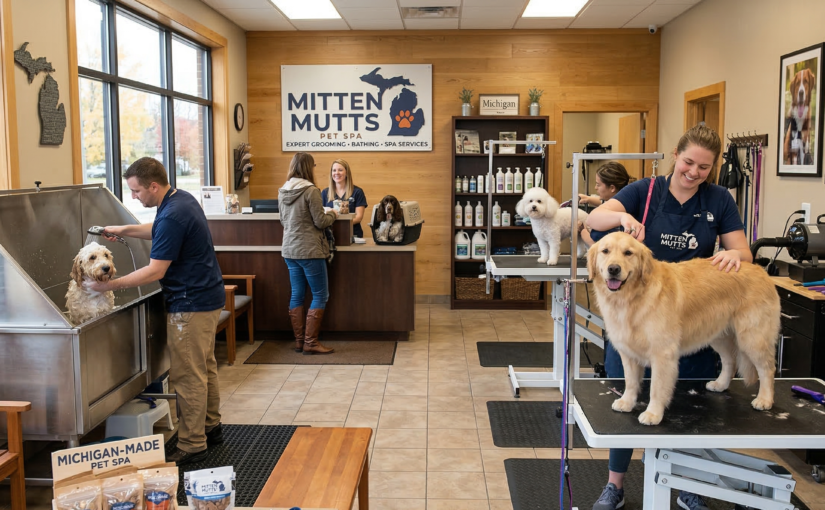
Pet ownership has grown steadily across the United States since 2020, driving consistent demand for professional pet grooming services throughout Michigan. With national pet industry spending reaching $147 billion in 2023, grooming businesses have become attractive acquisition opportunities within a stable and expanding market.
Because most pets require grooming every four to eight weeks, these businesses benefit from recurring, predictable revenue. This dependable model appeals to entrepreneurs, existing business owners seeking expansion, professionals pursuing career transitions, and investors interested in service-based operations.
Working with experienced Michigan business brokers helps prospective buyers understand valuation, maintain confidentiality, structure negotiations effectively, and secure financing, creating a smoother and more successful acquisition process.
Armen Nazarian Business Brokers specializes in connecting qualified buyers with established grooming businesses across Michigan. Whether you’re a first-time buyer, expanding an existing portfolio, or thinking about selling a business, our team provides confidential guidance on valuation, financing, and negotiation from search through closing.
View current pet grooming businesses available for sale at armennazarian.com/buy or contact us directly at 248-231-7714 to schedule a confidential buyer consultation.
👉Also Read: Why Buying an Established Business in Michigan Is a Smarter Investment Than Starting From Scratch
Understanding the Pet Grooming Industry in Michigan
The state’s grooming market is well-established, with businesses concentrated across urban centers, affluent suburbs, and college towns.
Market opportunities vary by location. Detroit and Grand Rapids offer high foot traffic and volume-driven demand. Suburbs such as Bloomfield Hills, Birmingham, and Novi support premium pricing and specialty services. College towns like Ann Arbor and East Lansing attract younger, service-conscious pet owners. Growing communities in Oakland, Macomb, and Wayne Counties present acquisition opportunities, particularly where mobile grooming remains limited.
Most Michigan grooming businesses offer full grooming, bathing, nail trimming, de-shedding, and breed-specific cuts, with add-ons such as conditioning treatments and teeth brushing, driving higher transaction values. Seasonal patterns are predictable: coat care peaks in winter, shedding appointments spike in spring, and bookings increase around the holidays.
Market Trends and Opportunities
- Premium service demand: Wellness-focused add-ons such as hypoallergenic treatments and spa packages are becoming standard upsells, increasing average ticket values.
- Urban vs. suburban dynamics: Downtown locations benefit from walk-in traffic and smaller breeds; suburban markets typically generate larger full-groom appointments.
- Underserved markets: Expanding suburbs with limited grooming options offer lower competition and stronger pricing power.
- Recession resilience: The pet grooming industry has historically held up during downturns. During the 2008 recession, the broader pet industry grew 5.1%, and during the 2020 COVID recession, pet product and service sales grew 16.2% compared to 4.3% for the wider economy, reflecting grooming’s status as a routine, non-discretionary expense for most pet owners.
What Types of Pet Grooming Businesses Are Available in Michigan?
Buyers exploring the Michigan market will encounter several distinct business models:
Independent Grooming Salons
These are the most common formats, found in cities like Warren, Livonia, and Flint. Typical salons occupy 800 to 1,500 square feet in strip centers or standalone retail spaces, employ one to three groomers, and operate on a mix of walk-in and appointment scheduling. Purchase prices generally range from $100,000 to $400,000, depending on location, revenue, and profitability.
Mobile Grooming Operations
Mobile groomers serve Southeast Michigan neighborhoods using custom-equipped vans, offering lower fixed overhead and premium pricing for the convenience they provide. These operations appeal to buyers who prefer variety in their workday and direct customer interaction, though they require attention to vehicle maintenance and route planning.
Franchise Grooming Brands
Some franchise systems operate in Michigan, offering standardized operating systems, brand recognition, and marketing support. These come with ongoing royalty fees and stricter operational requirements, but can reduce the learning curve for first-time business owners.
Hybrid Models
Higher-traffic areas and strip centers often host businesses that combine grooming with retail pet supplies, self-wash stations, or daycare and boarding services. These models can generate multiple revenue streams but require more complex operations and larger teams.
Independent Salon$100K–$400K1–3 groomersFlexibility, established clienteleLocation dependent
| Business Type | Typical Investment | Staffing | Key Advantages | Key Challenges |
|---|---|---|---|---|
| Mobile Grooming | $75K–$200K | 1–2 operators | Lower overhead, premium pricing | Vehicle maintenance, weather |
| Franchise | $150K–$350K | 2–4 staff | Brand support, systems | Royalties, less flexibility |
| Hybrid Model | $200K–$500K | 3–6 staff | Multiple revenue streams | Operational complexity |
Why Buy an Existing Pet Grooming Business Instead of Starting One
Purchasing an established grooming business in Michigan can shortcut 12 to 24 months of risky startup ramp-up and provide immediate returns on your investment. For serious buyers, the advantages of acquisition over starting from scratch are substantial.
Immediate Cash Flow and Established Client Base
An existing grooming salon comes with customers who already pre-book appointments every four to eight weeks. This recurring revenue begins generating income from day one of ownership rather than requiring months or years of marketing to build.
Trained Staff in Place
Finding and retaining experienced groomers is one of the biggest challenges in this industry. The average groomer salary in Michigan runs approximately $33,362 per year, and skilled professionals are in high demand. Acquiring a business with established employees eliminates the recruiting and training timeline.
Proven Location and Market Demand
A grooming business that has operated successfully for several years has already validated its location, pricing, and service model. Foot traffic patterns, signage visibility, and lease terms have been tested in real market conditions.
Operational Assets and Relationships
Beyond physical equipment like grooming tables, tubs, and dryers, an established business brings booking software systems, vendor accounts with shampoo and tool suppliers, and established social media and Google Business profiles. These internet and commerce assets have tangible value.
Contrast this with starting from scratch: build-out expenses of $50,000 or more, marketing from zero awareness, recruiting groomers in a competitive labor market, and waiting 18 to 36 months for the client base to reach break-even. For most buyers, business buying offers a faster path to profitability.
👉Also Read: What to Look for When Evaluating a Hair or Nail Salon Business for Sale in Michigan
How Should You Prepare and Evaluate a Pet Grooming Business in Michigan?
Step 1: Define Your Investment Goals
Before contacting sellers or brokers, take time to clarify your investment goals so you pursue opportunities that genuinely match your situation. This preparation prevents wasted time and helps your broker identify the perfect business for your needs.
Owner-Operator vs. Investment Ownership
Are you planning to work in the business daily, either grooming yourself or managing operations hands-on? Or do you prefer a semi-absentee model where you hire a manager and focus on strategic oversight? Each approach requires different business characteristics and staffing structures.
Budget Considerations
Michigan’s grooming acquisitions span a wide range:
- Smaller single-groomer salons: $75,000 to $150,000
- Established multi-groomer operations: $200,000 to $400,000
- Premium locations with strong cash flow: $400,000 to $600,000+
Your budget should account for the purchase price, closing costs, working capital for the first few months, and any immediate improvements you plan to make.
Lifestyle and Time Commitment
Grooming businesses typically operate Tuesday through Saturday, with peak demand on Fridays and weekends. Consider your comfort with these hours, hands-on animal work versus office management, and commuting distance within Michigan.
Income Targets and Scalability
Set a target for annual owner’s compensation and evaluate whether the businesses you consider can meet that goal. Also assess long-term scalability. Could you add mobile units, open a second location, or expand into related services like daycare?
Document these goals in a simple checklist to share with your Michigan business broker. This clarity helps refine your search and ensures you evaluate opportunities against consistent criteria.
Step 2: Work with Experienced Business Brokers in Michigan

Specialized business brokers who focus on Michigan transactions streamline every aspect of finding and acquiring a grooming business. Their expertise, local market knowledge, and established relationships with sellers create significant advantages for serious buyers.
Reputable business brokerage firms maintain confidential listings throughout Southeast Michigan and across the state, including privately owned businesses that are not advertised publicly. These off-market opportunities often represent the most attractive acquisitions because they haven’t been picked over by other potential buyers.
A business broker’s role includes screening businesses against your budget, skills, and geographic preferences, saving you countless hours evaluating unsuitable opportunities. They coordinate communications with sellers, manage document requests, and help structure offers and counteroffers with professionalism and respect for all parties.
Experienced small business brokers in Michigan understand local banks, SBA lenders, and typical deal structures for service businesses. This finance expertise helps position your offer for approval and can accelerate the path to closing. Rather than navigating unfamiliar lending requirements alone, you benefit from their established relationships and process knowledge.
👉Also Read: Should Michigan Business Owners Sell Independently or Partner with a Professional Broker?
Why Confidentiality Matters in Grooming Business Purchases
Pet grooming businesses rely heavily on trust from employees and regular customers. News of a potential sale must be handled with strict confidentiality to protect the business value you’re acquiring.
Careless disclosures can trigger serious problems. Staff may fear job loss and begin looking for other positions. Competitors might target loyal customers with aggressive marketing. Suppliers or landlords could change their terms. Any of these scenarios can harm the business before you even close the transaction.
Professional brokers use confidentiality agreements, also called NDAs, and controlled information releases to protect the seller’s identity and business details. Buyers receive access to sensitive information only after demonstrating they are qualified and signing appropriate agreements.
As a buyer, you should never contact owners, employees, or landlords directly without coordination through the broker. Even well-intentioned inquiries can accidentally reveal the sale, potentially damaging the asset you’re trying to purchase.
In recent Michigan grooming acquisitions, strict confidentiality has preserved business value by ensuring that customers and staff learned about ownership changes only after closing, when proper communications and transition plans were ready.
Step 3: Evaluating a Pet Grooming Business for Sale
A disciplined evaluation process protects you from overpaying or inheriting hidden problems. Before committing to any purchase, examine three main areas: financial performance, operations (people and systems), and market positioning and reputation.
Using a structured evaluation checklist tailored to grooming businesses in Michigan helps ensure consistency across the opportunities you consider. Work through this checklist with support from your broker and accountant, requesting information in a logical sequence that respects the seller’s time while protecting your interests.
This evaluation happens before and during formal due diligence. Your broker guides the sequence of information requests and helps interpret what you learn against industry benchmarks and comparable Michigan transactions.
Key Financial Documents to Review
Request and carefully analyze these critical documents:
- Profit and loss statements: At least three years of P&Ls showing revenue, expenses, and net income
- Business tax returns: Three years of filed returns to verify reported income
- Year-to-date financials: Current performance through the most recent month
- Balance sheet: Assets, liabilities, and owner’s equity position
Focus on seller’s discretionary earnings (SDE) as your primary metric. SDE represents the total financial benefit available to a working owner before debt service and includes net profit plus the owner’s salary, benefits, and certain discretionary expenses. This figure indicates your potential income from the business.
Examine revenue trends by month or quarter from 2021 through 2024 to identify growth patterns, seasonal variations, or concerning declines. Look for how the business performed during the COVID recovery and whether recent months show stability or momentum.
Review expense categories carefully:
- Payroll (typically 30–45% of revenue for groomers and bathers)
- Rent and occupancy costs
- Shampoo, supplies, and equipment maintenance
- Utilities
- Marketing and advertising
When available, reconcile reported revenue against bank statements and merchant processing statements. This verification confirms that the numbers you’re evaluating reflect actual cash flow for the grooming business.
Operational Factors to Analyze
Staff composition directly impacts your success as a new owner. Understand:
- Number of groomers, bathers, and receptionists
- Whether they are employees or independent contractors
- Tenure with the business and compensation structure
- Key person dependencies (does one groomer handle most of the revenue?)
Groomer experience and retention matter significantly where hiring can be competitive. A shop where the same team has worked together for years presents lower transition risk than one with recent turnover.
Evaluate the booking system, whether software-based, manual, or online booking-capable. A calendar consistently full several weeks out signals strong demand and recurring clients. Gaps or last-minute availability may indicate marketing weaknesses or competitive pressure.
Inspect all grooming equipment:
- Tubs, tables, and dryers
- Clippers, blades, and hand tools
- Computer and software systems
- Mobile vans (if applicable)
Note the age, condition, and estimated replacement costs for each category. Equipment nearing end-of-life represents a capital expense you should factor into your offer.
Lease considerations are crucial for retail locations:
- Remaining term and renewal options
- Rent escalation clauses
- Assignment provisions (can the lease transfer to you?)
- Location visibility, parking availability, and co-tenants
Customer Base and Reputation
Review social media ratings for the business. Look beyond the average star rating to patterns in recent customer comments. Are there recurring complaints about wait times, groomer skill, or customer service? Are positive reviews specific and authentic?
Request customer metrics from the seller:
- Percentage of repeat clients (ideally 60% or higher)
- Average visit frequency
- Average ticket size per appointment
- Number of active customers (booked within the last 12 months)
Assess the breadth of services offered and identify upsell opportunities the current owner hasn’t fully developed. Could you add de-shedding packages, teeth brushing, or premium shampoo options to increase revenue?
Research local competition within a five to ten-mile radius, including other grooming salons, mobile groomers, and big-box retailers offering grooming services. Understanding the competitive landscape helps you evaluate pricing power and growth potential.
In recent Michigan grooming acquisitions, businesses with strong social media reviews (4.5 stars or higher) and documented repeat customer rates above 65% commanded premium valuations and attracted multiple interested buyers.
👉Also Read: Top Ten Essential Questions to Ask Before Buying a Franchise in Michigan
Step 4: Understanding Business Valuation for Grooming Salons
Most small grooming businesses in Michigan are valued based on a multiple of Seller’s Discretionary Earnings (SDE), plus the value of inventory and equipment. Understanding this method helps buyers assess whether an asking price reflects fair market value.
For pet grooming businesses specifically, SDE multiples typically range between 2.77x and 3.32x, slightly above the broader small business average of approximately 2.49x, reflecting the category’s recurring revenue and customer retention characteristics. The exact multiple depends on factors such as revenue consistency, client base size, lease terms, equipment condition, and growth trajectory.
Factors that increase valuation:
- Consistent year-over-year revenue growth
- Multiple full-time groomers reducing owner dependency
- Strong online reviews and repeat customer rates
- Diversified client base (not dependent on a few large accounts)
- Documented systems and written procedures
Location impacts value significantly:
- High-traffic corridors in Oakland County
- Proximity to affluent neighborhoods
- Exclusive service territories for mobile groomers
- Favorable lease terms with a long remaining duration
Documented systems, standard pricing menus, written grooming procedures, and digital booking with customer history make the business more transferable and reduce buyer risk, supporting higher multiples.
Rely on your broker’s expertise and, for larger transactions, consider engaging a third-party valuation professional to confirm that the asking price reflects what similar Michigan companies have sold for in today’s market.
Step 5: Financing Options for Buying a Grooming Business
Many Michigan grooming acquisitions are financed through a blend of buyer equity, bank or SBA loans, and seller financing. Understanding your options helps you structure a deal that works for your financial situation while remaining attractive to sellers.
Traditional Bank Financing
Local Michigan banks and credit unions offer business acquisition loans, typically looking for strong cash flow in the target business, good personal credit, and relevant business experience. Loan terms vary but often range from five to ten years with competitive interest rates.
SBA 7(a) Loans
The Small Business Administration’s 7(a) program is a common tool for service business acquisitions. These loans can fund goodwill, equipment, and working capital with terms up to ten years. In recent reporting, Michigan saw approximately 2,713 SBA loans totaling $969 million for small businesses, demonstrating active lending activity in the state.
Seller Financing
Sellers frequently carry 10% to 30% of the purchase price via a promissory note, typically at interest rates slightly above bank rates with three to five-year terms. Seller financing signals confidence in the business and aligns the seller’s interest with your success through the transition period.
Typical Down Payment Expectations
Expect to bring 10% to 25% of the total project cost as your down payment. Budget additionally for closing costs, professional fees (attorneys, accountants), and initial marketing or working capital reserves.
Sample Deal Structure
For a $300,000 grooming salon in Southeast Michigan with an SDE of $120,000:
Buyer Down Payment$60,00020%
| Component | Amount | Percentage |
|---|---|---|
| Seller Financing (5-year note) | $45,000 | 15% |
| SBA/Bank Loan | $195,000 | 65% |
| Total | $300,000 | 100% |
This structure balances your cash investment with manageable debt service while giving the seller meaningful participation in the transition.
Step 6: Due Diligence Before Closing
Due diligence is your final in-depth review before committing to the purchase. This phase typically lasts two to six weeks once your offer is accepted and both parties sign a letter of intent.
Main goals of due diligence:
- Verify financial performance matches representations
- Confirm all assets and liabilities included in the sale
- Understand legal and lease obligations
- Plan the transition with seller cooperation
Work with a CPA, attorney, and your broker to review documents, ask follow-up questions, and resolve any inconsistencies. This team approach ensures you have professional support in areas beyond your personal expertise.
Schedule in-person visits to observe grooming operations at various times, morning, afternoon, and on busy days like Saturdays. Watch staff interactions, customer traffic patterns, and the general condition of the facility and equipment.
Clarify transition support expectations early. Many successful deals include 30 to 90 days of paid training and transition assistance from the seller. Document these commitments in writing as part of your purchase agreement.
Financial Verification and Equipment Inspections
Tie financial statements to bank deposits and point-of-sale or merchant processing statements for the last 12 to 36 months. This verification confirms that reported revenue actually flowed through the business.
Check for unusual or one-time expenses that might distort the normalized SDE. Document any agreed adjustments with the seller in writing before finalizing your valuation.
Create a detailed inventory of all equipment included in the sale:
Grooming Tables3 hydraulic tables4 years, good$3,000
| Equipment Category | Items | Age/Condition | Estimated Value |
|---|---|---|---|
| Tubs/Bathing | 2 stainless tubs | 6 years, fair | $2,000 |
| Dryers | 4 cage dryers, 2 stand dryers | Mixed | $2,500 |
| Clippers/Tools | Inventory of blades, clippers | Varied | $1,500 |
| Computer/Software | Booking system, hardware | 2 years | $1,000 |
Schedule a walk-through at the salon or inside mobile grooming vans to verify that all assets match the purchase agreement. Verify any outstanding equipment leases or liens that need to be paid off or assumed at closing.
Lease Review and Regulatory Compliance
Review the current lease with a Michigan-based attorney, focusing on:
- Current rent and annual escalation clauses
- Assignment provisions allowing transfer to a new owner
- Renewal options and remaining term
- Restrictions on use or hours of operation
Contact the landlord, coordinated through your broker and the seller, to secure a lease assignment or negotiate a new lease before closing. In high-demand retail centers, landlord approval can take several weeks, so start this process early.
Confirm compliance with relevant requirements:
- Michigan business license for your municipality
- Sales tax registration with the state
- Any local health or zoning regulations for pet businesses
- OSHA standards for workplace safety, ventilation, and drainage
Plan how to transfer utilities, insurance policies, and vendor accounts to your name upon closing. Your business broker can provide a checklist and assist with coordinating these transitions.
What Common Mistakes Should Buyers of Grooming Businesses Avoid?
Even experienced buyers can make avoidable mistakes when acquiring grooming businesses in Michigan. Awareness of these pitfalls helps you navigate the process more successfully.
Focusing on Revenue Instead of Profit
High sales do not always equal strong cash flow. A business grossing $400,000 with thin margins may generate less owner income than a $250,000 operation with disciplined expense management. Always evaluate SDE, not just top-line revenue.
Underestimating Staffing Challenges
Experienced groomers are the core of any grooming business. Failing to assess groomer retention risk, competitive wage structures, and employee satisfaction can lead to post-closing departures that damage revenue. Meet with key staff during due diligence and understand what keeps them engaged.
Ignoring Lease Terms and Location Quality
An unfavorable lease, short remaining term, steep escalations, or restrictions on assignment can quickly erode profitability or force relocation. Evaluate the lease as carefully as you evaluate the financials.
Skipping Professional Guidance
Attempting to buy a business without support from brokers, attorneys, and CPAs often leads to missed red flags in financials, legal documents, or operational realities. The cost of professional guidance is minimal compared to the cost of a bad acquisition.
Neglecting Post-Purchase Marketing
Without a communication plan for customers and the community, revenue can dip after ownership changes. Plan announcements, introductory offers, and ongoing marketing before you close so you can execute immediately.
👉Also Read: Top 10 Common Mistakes Michigan Business Owners Make When Selling a Business
How the Right Business Broker Creates a Smoother Transaction
Seasoned small business brokers in Michigan coordinate each stage of the transaction from initial search through closing and transition. Their involvement creates value at every step.
Accurate Pricing Guidance
Brokers provide realistic valuation expectations using industry benchmarks and knowledge of recent grooming sales in Michigan. This prevents you from wasting time on overpriced listings or missing opportunities by undervaluing strong businesses.
Communication Management
Your broker manages scheduling, document requests, and communications between all parties. This coordination keeps transactions moving forward and prevents misunderstandings that can derail deals.
Negotiation Support
From initial offers through counteroffers and final terms, brokers help structure deals that protect your interests while remaining attractive to sellers. Their experience with business transactions informs contingency language and creative solutions to common obstacles.
Transition Planning
Brokers help plan training periods, customer communications, and handover of systems and passwords. This attention to transition details increases the likelihood that the business performs well under your business ownership.
Throughout the selling process, a professional broker maintains strict confidentiality, reducing employee or customer anxiety before the sale closes. This protection of the business value you’re acquiring is crucial to transaction success.
Who Should Consider Buying a Pet Grooming Business in Michigan?
Grooming businesses attract a range of buyers but are especially suited to those who value local, service-based income with strong community connections.
Entrepreneurs Building Portfolios
Business owners seeking to build a collection of recession-resistant, community-based businesses find grooming operations attractive. The recurring revenue model and manageable complexity make them suitable for portfolio expansion across Southeast Michigan and beyond.
Existing Pet Sector Owners
Owners of pet supply retail stores, dog daycare operations, or single mobile grooming units often acquire additional grooming businesses to expand services, add locations, or achieve economies of scale.
Career Transition Professionals
Corporate professionals seeking a path from employment to business ownership find that grooming businesses offer manageable entry points. Those who prefer managing staff rather than grooming themselves can succeed with the right team and systems in place.
Semi-Absentee Investors
Investors interested in businesses that can operate with a strong manager and lead groomer appreciate grooming operations for their straightforward economics and local focus. These buyers focus on growth opportunities while delegating day-to-day operations.
Personality traits that fit well include comfort with customer service, genuine interest in animal welfare, and willingness to oversee employees and operations with attention to detail.
👉Also Read: How to Sell or Transfer Your Small Business the Right Way with Business Brokers in Michigan
Ready to Buy a Pet Grooming Business in Michigan? Partner With Armen Nazarian Business Brokers
Taking the next step toward business ownership requires more than browsing listings. It requires guidance from experienced professionals who understand the Michigan marketplace, protect confidentiality, and help buyers move forward with confidence. Since 1988, Armen Nazarian Business Brokers has helped entrepreneurs, investors, and existing business owners successfully navigate the process of buying and selling businesses across Michigan.
Our team works closely with qualified buyers to understand investment goals, financial expectations, and preferred locations throughout Oakland County, Macomb County, Wayne County, and surrounding areas. Whether you are searching for your first pet grooming business or expanding an existing portfolio, we provide insight into available opportunities, realistic valuations, and structured purchase strategies designed to support long-term success.
During your confidential consultation, we can help you:
- Review available pet grooming businesses and similar service-based opportunities
- Understand pricing, cash flow expectations, and valuation factors
- Explore seller financing and acquisition options
- Position yourself as a credible and prepared buyer
- Navigate each stage of the buying process with discretion and professionalism
If you are ready to move forward or simply want to explore your options, professional guidance can make the entire process smoother and more efficient.
Call us today or submit the contact form for a free business evaluation to begin your journey toward owning the right business opportunity in Michigan.
Frequently Asked Questions
How long does it usually take to buy a pet grooming business in Michigan?
A typical Michigan grooming transaction takes 60 to 120 days from accepted offer to closing, though timelines vary based on financing complexity and landlord approvals. The process breaks into phases: several weeks to identify suitable businesses, two to four weeks for negotiation and letter of intent, three to six weeks for due diligence and financing, plus additional time for lease assignment if required. Working with an organized broker and having your financing pre-qualified can shorten the overall timeline significantly.
Do I need grooming experience to buy and run a pet grooming salon?
Many successful grooming business owners are not groomers themselves. They hire experienced groomers and focus on management, marketing, and customer service. Having pet industry or small business experience helps, but is not mandatory if you’re willing to learn and retain key staff. Buyers without grooming skills should prioritize businesses with stable, long-tenured groomers and documented operating procedures that make the transition smoother.
Are mobile pet grooming businesses a better investment than fixed pet salons in Michigan?
Neither model is universally better; the right choice depends on your budget, lifestyle preferences, and target market. Mobile grooming offers lower fixed overhead and premium pricing but requires van maintenance, route planning, and comfort with Michigan’s variable weather conditions. Fixed-location pet salons have higher rent but can handle more appointment volume and add retail or daycare revenue streams. Evaluate both options against your investment goals and the specific opportunities available in your preferred Michigan markets.